A clear explanation of each discipline and the interfaces between power, data, surveillance and alarm systems.
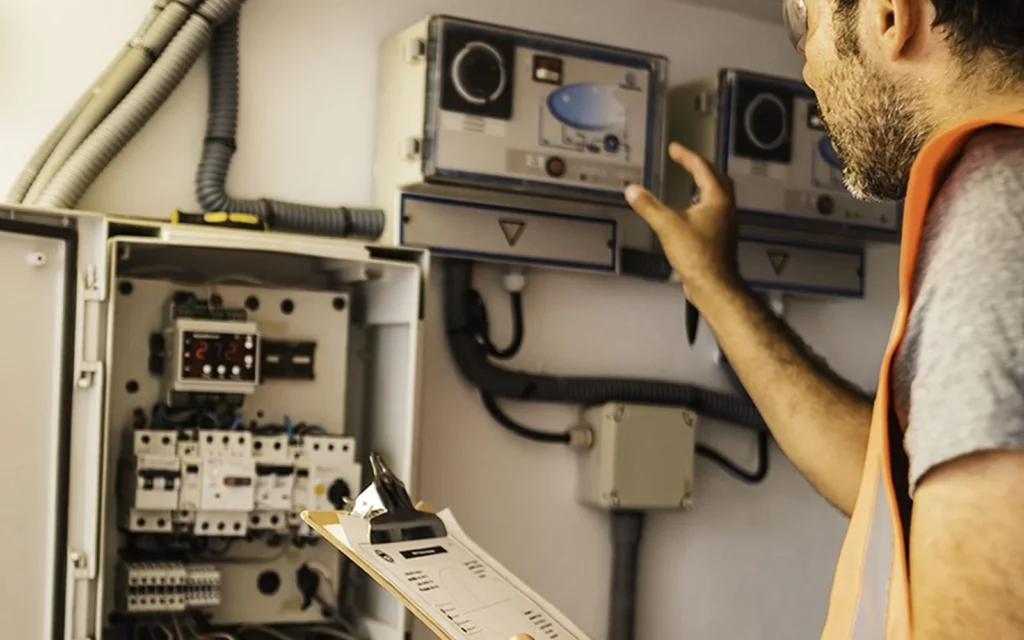
Electrical works mainly distribute power through switchboards, cables, lighting, outlets and earthing. Low-current systems carry data, signals and control functions through networks, CCTV, public address and communication systems.
The two groups differ in voltage, protection, testing and segregation requirements. Data cables installed too close to power circuits without proper separation may suffer interference or reduced performance.
Despite these differences, both require coordinated service rooms, routes, supports, power points and system interfaces. Fire alarm systems, for example, combine signalling with controls for mechanical and electrical equipment.
The scope should identify who provides devices, software, cabling, testing, integration and training so critical responsibilities do not fall between multiple suppliers or contractors.